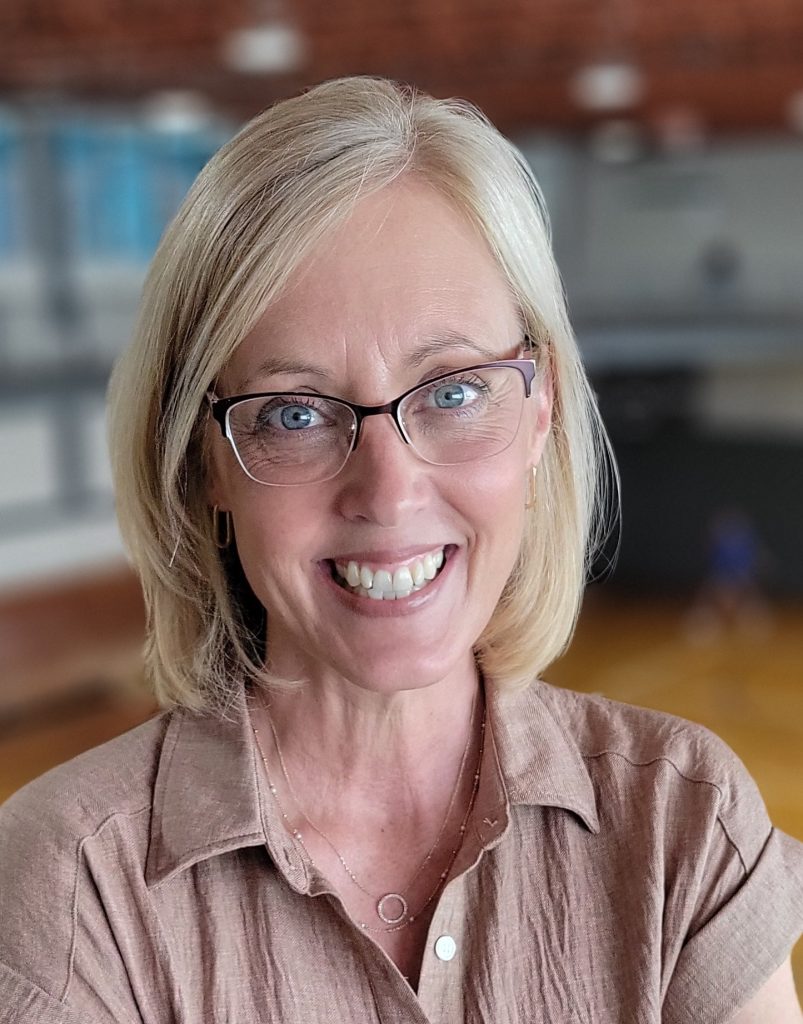
From September 2025 to June 2026, Brooke Bowles, CEO of the Levite JCC, was selected to join 52 other local leaders in Leadership Birmingham’s Class of 2026, an immersive program designed to deepen participants’ understanding of the city they serve.
The class visited 39 sites and benefited from the time and expertise of 460 volunteers, speakers, subject-matter experts, moderators, and tour guides. Together, participants explored Birmingham’s education and healthcare systems, government, economic development, homelessness, and quality of life. They also visited places that reveal the region’s history, diversity, challenges, and resilience.
The city’s civil rights history was a central part of the experience. At 16th Street Baptist Church, Brooke especially enjoyed hearing 96-year-old Dick Pizitz Sr. participate in a panel discussion. The experience was a powerful reminder that Birmingham’s civil rights history remains relevant as it continues to shape the city’s identity, institutions, and responsibilities today.
The year also carried a meaningful personal connection for Brooke. Lisa Bachman, executive director of the Alabama Holocaust Education Center, also was a member of the cohort.
“Having Lisa in the class with me was a real gift,” Brooke says. “It was meaningful to share this experience with another Jewish community leader while learning alongside people representing so many different parts of Birmingham. Those relationships made the year especially powerful.”
A frightening opportunity
Their shared presence became particularly significant during a Leadership Birmingham program day on March 12. While the class was together, participants learned that a man had driven a pickup truck into Temple Israel in West Bloomfield Township, Michigan. The truck carried approximately 35 gallons of gasoline and a large quantity of commercial-grade fireworks. The attacker drove through an entrance and approximately 200 feet down a hallway near the synagogue’s early childhood program, where children and staff were present. While no children or staff members were physically harmed, the FBI later determined that the attack had deliberately targeted the Jewish community.
The frightening news created an unexpected but important opportunity for Brooke and Lisa to help their classmates understand the heightened security concerns and vulnerability that Jewish congregations, schools, community centers, and families increasingly face.
“When we learned what had happened in Michigan, our classmates were able to hear directly from two Jewish community leaders about what an attack like this means and the effect it can have on a national level — not only operationally, but personally,” Brooke says. “It became a powerful educational moment and a reminder that Jewish institutions must think about security every day while still working to remain open and welcoming places for the communities they serve.”
“We were welcomed into important places, heard directly from people doing the work, and had the time to ask difficult questions together. We realized that too many people live in Birmingham without ever having an opportunity to explore the full story of their own city.”
—Brooke Bowles
For Brooke, the moment reflected one of Leadership Birmingham’s greatest strengths: its ability to connect broad civic issues with the lives of the people experiencing them. “The class did not simply study Birmingham’s institutions and challenges from a distance,” she says. “Participants learned from one another in real time, including during moments no one could have anticipated.”
Throughout the program year, the class was able to board a charter bus and travel together to places many Birmingham residents may never have an opportunity to visit. As participants studied disparities across education, healthcare, housing, government, and economic opportunity, Brooke and the members of her small group began to recognize that the Leadership Birmingham experience was itself a privilege.
See BHM
“Leadership Birmingham gave us extraordinary access,” Brooke says. “We were welcomed into important places, heard directly from people doing the work, and had the time to ask difficult questions together. We realized that too many people live in Birmingham without ever having an opportunity to explore the full story of their own city.”
That realization became central to the work of Brooke’s small group, called Los Enter-ruptors. The group began asking how they could make part of the Leadership Birmingham experience accessible to a much wider audience.
Their answer was See BHM, a shareable discovery resource featuring nine significant Birmingham sites. The initial destinations range from the Birmingham Civil Rights Institute and 16th Street Baptist Church to Rickwood Field and the A.G. Gaston Motel.
See BHM is designed for local residents who have never fully explored their own city, as well as visitors arriving for conferences, sporting events, tournaments, and family trips. Plans for sharing the resource begin with Leadership Birmingham’s network of more than 2,000 alumni, followed by a potential partnership with the Wunderfan app to create a gamified discovery experience. The group’s long-term vision is for See BHM to be adopted by the Greater Birmingham Convention & Visitors Bureau and major employers as an official tool for welcoming people to Birmingham.
“For me, the most meaningful outcome was the idea that this experience should not end with us,” Brooke says. “Birmingham becomes stronger when more people understand its civil rights history, encounter its neighborhoods, visit the places that have shaped it, and listen to the people working toward its future. See BHM is an invitation to move beyond what we think we know and experience the city for ourselves.”
Leadership Birmingham also reinforced the important role the Levite JCC plays in the life of the broader community. Like the program itself, the LJCC creates opportunities for people of different backgrounds to meet, learn from one another, have honest conversations, and develop a deeper sense of belonging.
The Class of 2026 may have completed its 10 months together, but its work continues — in new relationships, broader perspectives, and new invitations for others to experience Birmingham.